
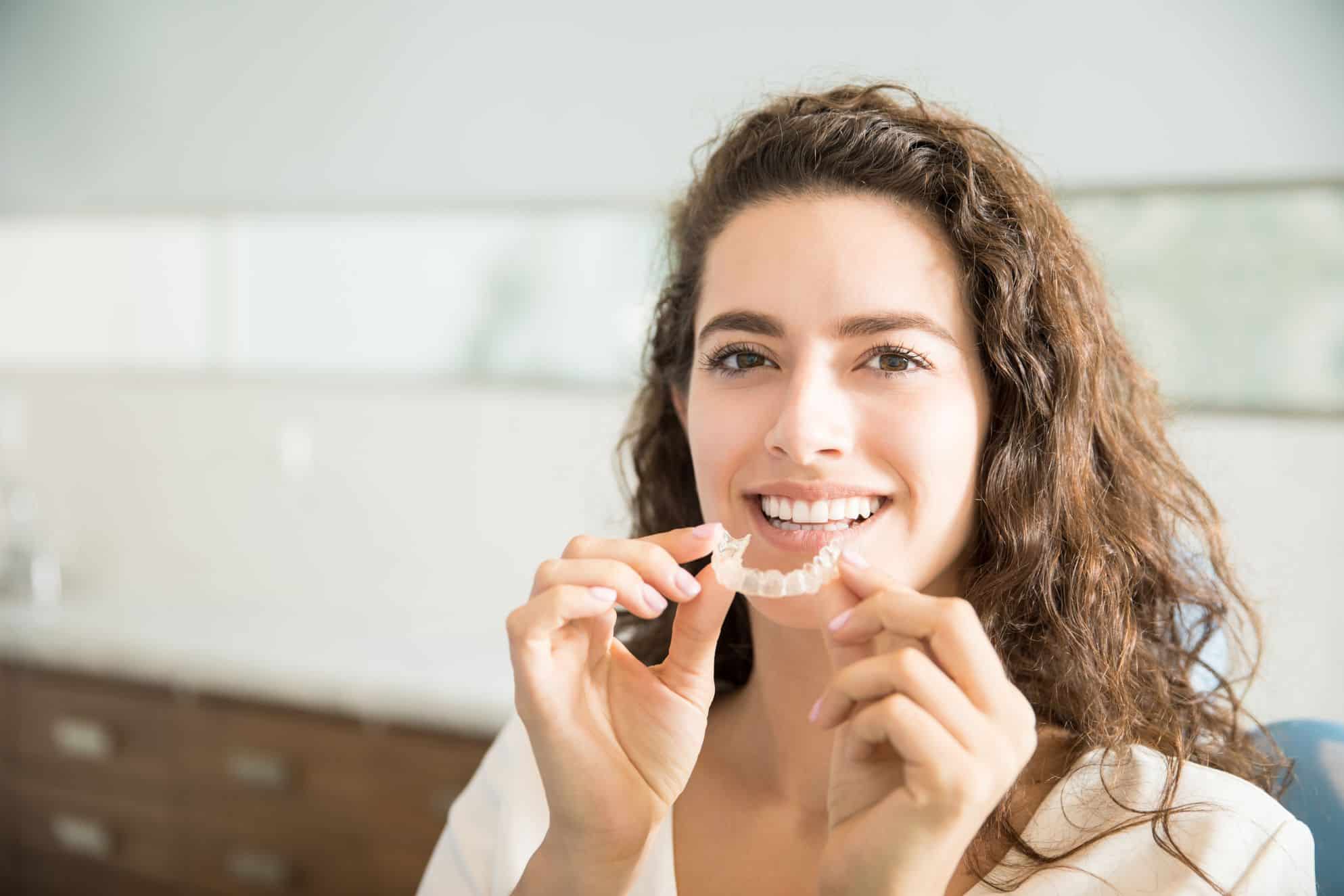
More adults and teens are choosing clear aligners over traditional braces than ever before. If you’re exploring Invisalign in the West Chester Township, OH area, you probably want to know what makes this treatment different and whether it’s the right choice for your teeth. This guide covers how Invisalign works, what daily wear looks like, how costs break down, and who qualifies as a good candidate.
What Is Invisalign Treatment?
Invisalign is a teeth-straightening system that uses a series of custom-made, removable clear aligners to gradually shift your teeth into proper alignment. Rather than relying on metal brackets and wires, these aligners are made from FDA-cleared SmartTrack material, a smooth, BPA-free plastic designed specifically for orthodontic treatment. Each aligner is worn for one to two weeks before switching to the next in the series, and the entire system is mapped out digitally before treatment begins.
What sets Invisalign apart from generic clear aligners or mail-order options? Professional oversight and precision. Each set of aligners is created using 3D digital treatment planning, which allows your orthodontist to map out every stage of tooth movement before you even start. Direct-to-consumer alternatives that skip the in-person evaluation simply can’t match that level of control.
Clear aligners work well for both teens and adults. Working professionals who want a discreet option and parents exploring treatment for teenagers alike find that Invisalign fits modern lifestyles without major disruption.
How Does Invisalign Treatment Work? A Step-by-Step Process
Knowing what happens at each stage helps you feel prepared. Here’s how Invisalign treatment typically unfolds:
The Initial Exam
Treatment starts with an evaluation of your teeth, bite, and overall oral health. Using an iTero digital scanner, the orthodontic team captures precise 3D images of your mouth, with no messy impressions or uncomfortable trays required. The digital scan becomes the foundation for your treatment options.
Designing Your Treatment Options
ClinCheck software allows your orthodontist to build a customized plan for your smile. A 3D digital model shows exactly how your teeth will move at each stage. You’ll see a digital preview of your projected results before committing, giving you a clear picture of the outcome.
Receiving Your Custom Aligners
Once you approve your treatment options, aligners are fabricated to match precise specifications. You’ll receive your first sets along with detailed instructions on wear and care. Each aligner is slightly different, designed to make incremental adjustments to tooth position over time.
Daily Wear
For the best results, plan to wear your aligners 20 to 22 hours per day. Remove them only to eat, drink anything besides water, brush, and floss. Every one to two weeks, switch to a new set that continues moving your teeth according to plan. Most patients settle into this routine quickly.
Regular Progress Checks
Expect to visit every six to eight weeks so your orthodontist can monitor progress and confirm everything is tracking correctly. These appointments are typically quick, much shorter than traditional braces adjustments.
Why Patients Choose Invisalign Clear Aligners
Clear aligners offer real, practical advantages over traditional braces during everyday life. Here’s what patients in the West Chester Township area and beyond tend to appreciate most:
- Nearly invisible appearance. The clear plastic is difficult to notice, making Invisalign popular among professionals, adults, and self-conscious teens. Many patients report that coworkers and friends don’t even realize they’re in treatment.
- Digital preview of results. Before wearing a single aligner, you can see a projected image of your new smile. That kind of preview helps set realistic expectations.
- No food restrictions. Take your aligners out for meals and snacks. Enjoy whatever you want, then brush and put them back in.
- Smooth plastic edges. Smooth plastic edges mean less irritation to your cheeks, lips, and gums compared to metal brackets and wires. Patients with active lifestyles or those who play musical instruments especially appreciate the comfort.
- Easier oral hygiene. Brush and floss normally, no special threading tools needed.
- Fewer office visits. Fewer office visits overall, since there are no wires to tighten or brackets to repair. That means less time away from work or school.
Invisalign vs. Traditional Braces: Which Is Right for You?
Both Invisalign and traditional braces effectively straighten teeth, but they work differently. Here’s how they compare:
| Feature | Invisalign Clear Aligners | Traditional Metal Braces |
|---|---|---|
| Appearance | Nearly invisible clear plastic | Visible metal brackets and wires |
| Removability | Fully removable for eating and cleaning | Attached to teeth throughout treatment |
| Comfort | Smooth plastic with no sharp edges | May cause irritation from brackets/wires |
| Food Restrictions | None, just remove aligners to eat | Avoid hard, sticky, and crunchy foods |
| Oral Hygiene | Brush and floss normally | Requires special tools to clean around brackets |
| Best For | Mild to moderate alignment issues | Complex cases and severe bite problems |
Traditional metal braces remain the better choice for certain situations. Severe malocclusions, complex bite issues, and cases requiring significant tooth rotation may respond better to the precise control that brackets and wires provide.
An experienced orthodontist can evaluate your specific needs and help you understand which option will deliver the best results. Both clear aligners and traditional braces have their strengths, and the recommendation should be based entirely on what’s right for your smile. If you’re in the West Chester Township, OH area, look for a practice with board-certified orthodontists who offer both options so the recommendation isn’t limited by what’s available.
How Much Does Invisalign Treatment Cost in West Chester Township?
Invisalign treatment costs vary widely depending on the complexity of your case. Your actual investment depends on several factors:
- Treatment complexity. More severe misalignment requires more aligner trays and longer treatment timelines.
- Number of aligners needed. Simple cases may need fewer sets than complex ones.
- Treatment duration. Longer treatments typically cost more due to the additional aligners and monitoring involved.
- Geographic location. Costs vary by region and practice. Pricing in the West Chester Township, OH area may differ from national averages.
Here’s some encouraging news: many dental insurance plans now cover Invisalign the same way they cover traditional braces. If your plan includes orthodontic benefits, a portion of your treatment may be covered.
Cost shouldn’t prevent you from getting the great smile you’ve always wanted. Many orthodontic practices offer flexible payment plans and financing options to help make treatment accessible. Some practices also provide online payment calculators so you can explore options before your visit.
The most accurate way to understand your investment is to schedule an initial evaluation. Your orthodontist will assess your specific needs and provide a cost estimate based on your individual treatment options. Practices that offer a no-cost initial evaluation make it easy to get real numbers without any commitment upfront.
Am I a Good Candidate for Invisalign?
Good candidates for Invisalign include adults and teens with mild to moderate crowding, gaps, or certain bite issues like overbite, underbite, or crossbite. A clinical evaluation by a board-certified orthodontist is the best way to confirm candidacy. Common qualifying conditions include:
- Mild to moderate crowding
- Gaps between teeth
- Certain bite irregularities (overbite, underbite, crossbite)
- Previously treated teeth that have shifted over time
Invisalign Teen includes special features like compliance indicators that help parents and orthodontists confirm teens are wearing their aligners as directed. Adults of any age can benefit from treatment as well. Many patients are professionals in their 30s, 40s, and beyond who want to improve their smiles without the look of traditional braces.
A Few Things to Keep in Mind
Clear aligners require commitment. Wearing them 20 to 22 hours daily is non-negotiable for treatment to work. If that schedule feels unrealistic, traditional braces might be a better fit since they work continuously without relying on patient compliance.
Invisalign may not be ideal for severe skeletal discrepancies, complex extractions, or significant bite problems that require precise tooth control. These cases often respond better to traditional orthodontic treatment.
A board-certified orthodontist can give you an honest assessment of whether Invisalign will achieve your goals. West Chester Township, OH residents have access to several qualified practices where you can get that evaluation.
Frequently Asked Questions About Invisalign Treatment
How long does Invisalign treatment take?
Most patients complete treatment in 12 to 18 months, though your timeline depends on how much your teeth need to move. Simple cases involving minor crowding may wrap up in as little as six months, while more complex alignment issues could take two years or longer. Your orthodontist will give you an estimated timeline during your initial evaluation.
Does Invisalign hurt?
Expect some pressure and mild discomfort for the first day or two after switching to a new set of aligners. This is normal and means your teeth are moving. Most patients describe it as pressure rather than soreness, and it typically subsides quickly with over-the-counter relievers if needed.
Can I eat with Invisalign aligners in?
No. Always remove your aligners before eating or drinking anything other than plain water. After eating, brush your teeth before putting your aligners back in. The whole routine takes just a few minutes and becomes second nature fast.
What happens after I finish Invisalign treatment?
Teeth have a natural tendency to shift back toward their original positions, a process called relapse. To maintain your results, you’ll need to wear retainers as directed by your orthodontist. Most patients wear retainers full-time initially, then transition to nighttime-only wear for long-term maintenance.
Does dental insurance cover Invisalign?
Many dental insurance plans with orthodontic benefits cover Invisalign the same way they cover traditional braces. Coverage amounts vary by plan, so contact your insurance provider to understand your specific benefits. Most orthodontic offices can also help you with insurance questions and work to maximize your coverage.
Understanding Invisalign Results and What Affects Them
Several factors influence how well Invisalign works for any given patient. Compliance is the biggest one. Because the aligners are removable, the results depend heavily on whether you actually wear them the recommended 20 to 22 hours per day. Patients who stick to the schedule consistently tend to finish on time or even ahead of schedule.
The severity of your orthodontic issues also plays a role. Mild crowding and minor spacing respond quickly to clear aligners. Moderate bite corrections take longer and may require attachments, which are small tooth-colored bumps bonded to certain teeth to give the aligners better grip. Your orthodontist places these strategically based on the movements your teeth need to make.
Age doesn’t limit candidacy, but it can affect treatment speed. Teens and younger adults often see faster tooth movement because their bone is still relatively pliable. Older adults may need a few extra months, though the end results are just as good.
Oral health matters too. Cavities, gum disease, or other dental issues should be addressed before starting Invisalign. Healthy teeth and gums respond better to orthodontic movement and reduce the risk of complications during treatment.
For patients in the West Chester Township area weighing their options, talking to a board-certified orthodontist is the single best step you can take. A qualified professional can look at your teeth, review your bite, and tell you honestly whether Invisalign, traditional braces, or another approach will get you where you want to be.